Keeping your home in good condition is not just about how it looks. What happens behind the walls matters just as much. Your plumbing system is one of the most important parts of your home, but it is often ignored until something goes wrong.
Leaks, blocked drains, and broken hot water systems can happen without warning. The good news is that many of these problems can be prevented with simple maintenance and smart upgrades.
This guide explains what to check, what to avoid, and when to call a professional.
Why Plumbing Maintenance Matters
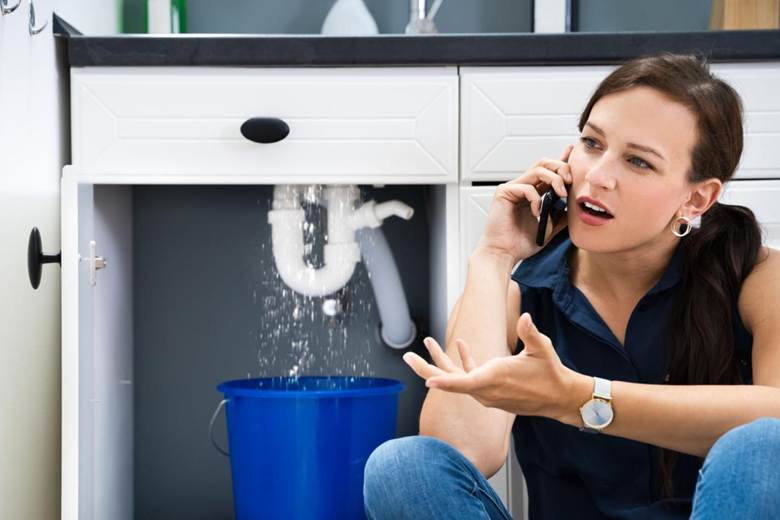
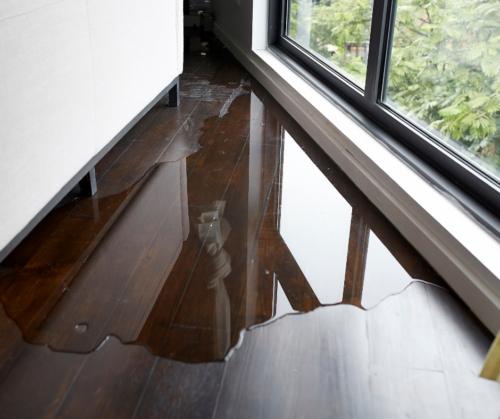
Most plumbing problems do not start big. They begin as small issues like a slow drip or a slightly blocked drain. Over time, these small problems can turn into serious damage.
Common risks include:
- Water damage to walls and floors
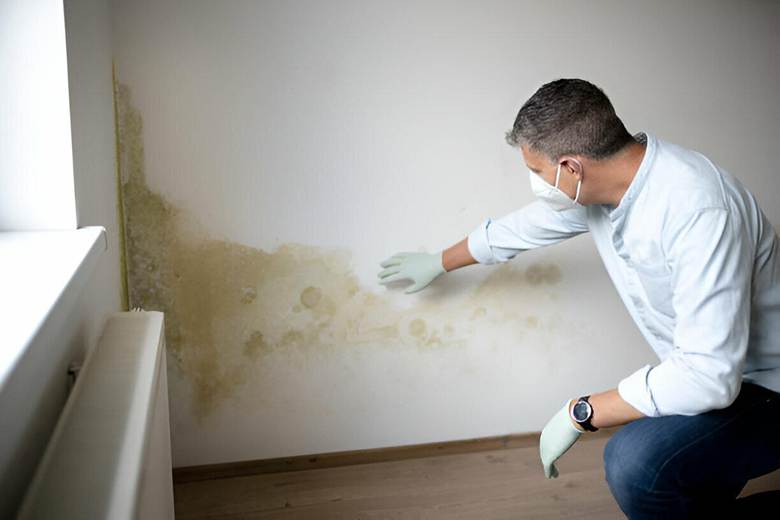
- Mould and bad smells
- Higher water bills
- Damage to cupboards and fixtures
Fixing a small issue early is always cheaper than fixing major damage later.
How Your Plumbing System Works
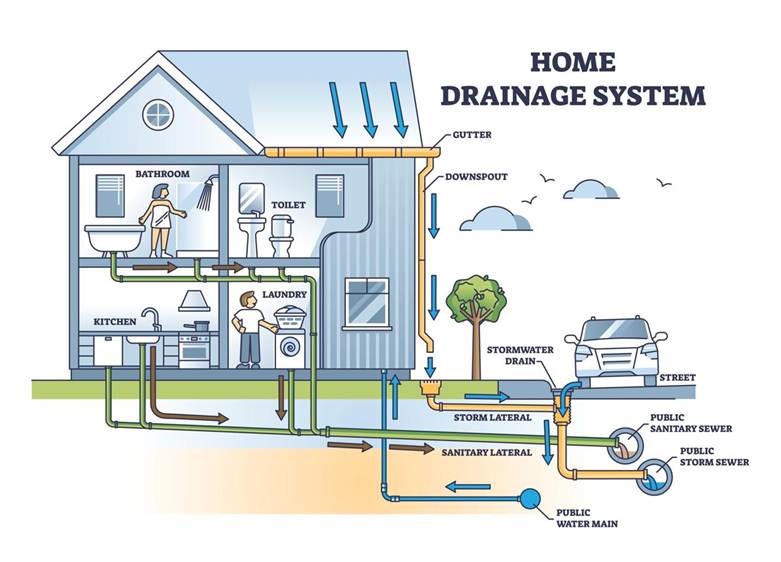
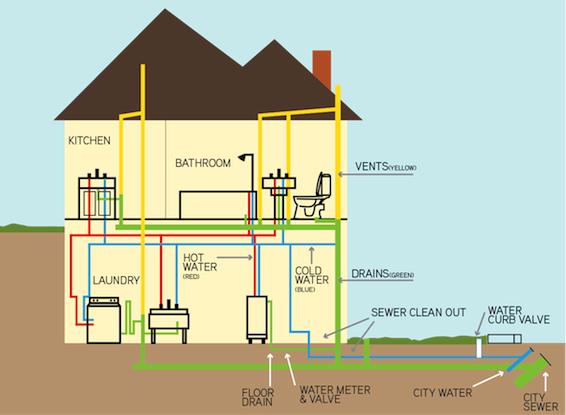
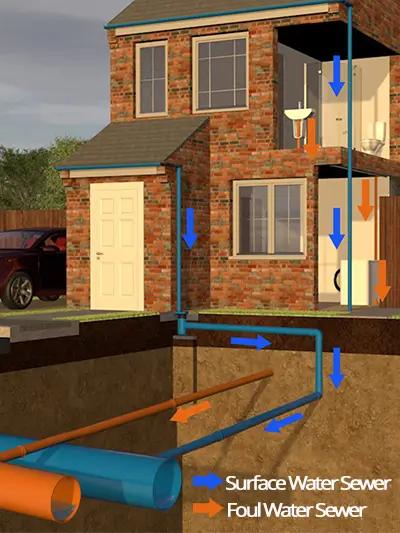
Your home plumbing has three main parts:
1. Water Supply
This brings clean water into your home. It runs to taps, showers, toilets, and appliances.
2. Drainage
This removes dirty water. It relies on gravity to move waste away from your home.
3. Stormwater
This handles rainwater from your roof and outdoor areas.
If one part fails, it can affect everything else.
Simple Plumbing Checks You Can Do at Home
You do not need to be a local plumber to spot early warning signs.
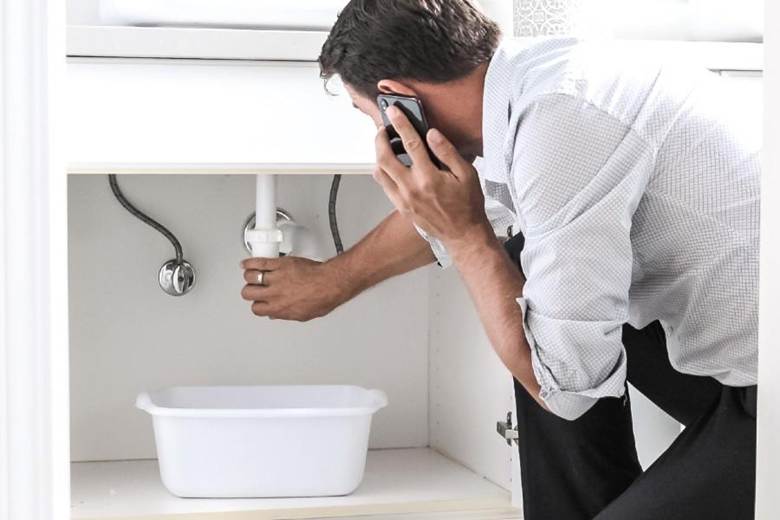
Check for leaks
Look under sinks and around toilets.
Signs to watch:
- Damp areas
- Water stains
- Musty smells
Watch your water bill
A sudden increase may mean a hidden leak.
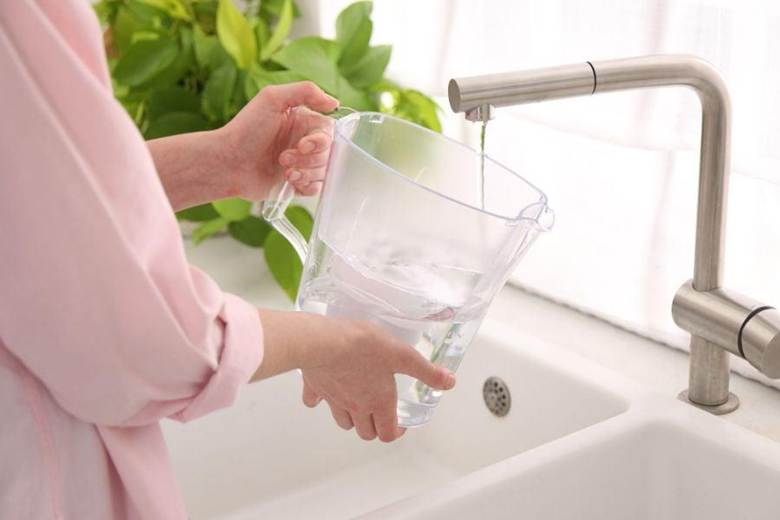
Test your taps
Turn taps on fully. Make sure pressure is steady.
Listen for sounds
Gurgling or banging pipes can mean a problem.
How to Prevent Blocked Drains
Blocked drains are one of the most common plumbing problems.
Avoid putting this down your sink:
- Oil and grease
- Food scraps
- Coffee grounds
In the bathroom:
- Use a hair catcher in the shower
- Do not flush wipes or sanitary items
Simple habit:
Once a week, pour hot water down your kitchen sink to help clear buildup.
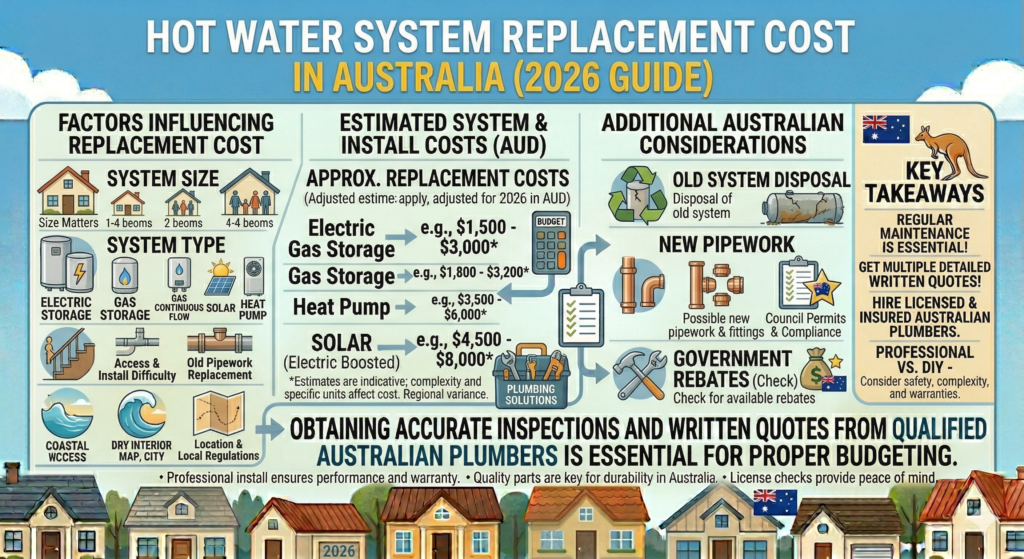
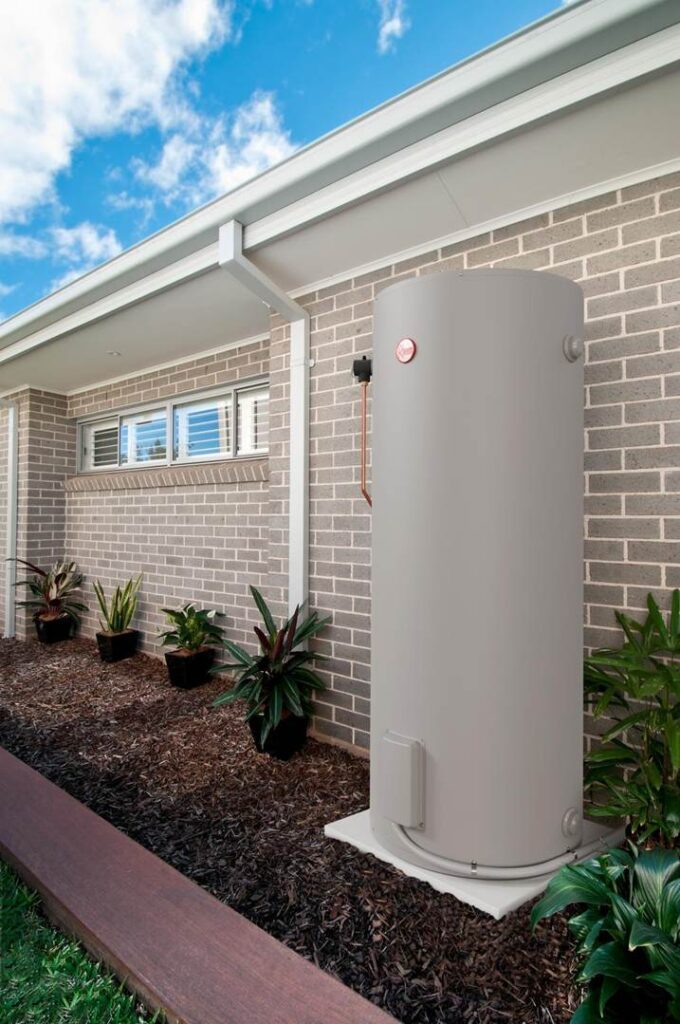
Looking After Your Hot Water System
Hot water systems often fail because they are not maintained.
Basic maintenance steps:
- Check for rust or leaks
- Listen for strange noises
- Flush the tank once a year (if applicable)
If your hot water runs out quickly or changes temperature, it may need servicing.
Signs You Should Not Ignore
Some plumbing problems need attention straight away.
Watch for:
- Water pooling where it should not
- Slow drains in multiple areas
- Bad smells from drains
- Sudden drop in water pressure
These signs can mean a bigger issue in your pipes or sewer line.
Plumbing Upgrades That Make a Difference
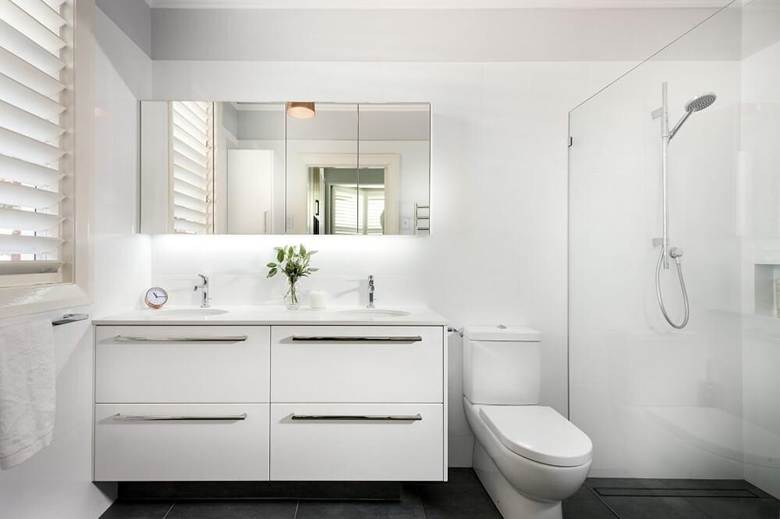
Upgrading your plumbing is not just about looks. It can improve how your home works and save money over time.
Bathroom upgrades
- New showerheads can improve pressure
- Modern toilets use less water
- Better layouts improve space
Kitchen improvements
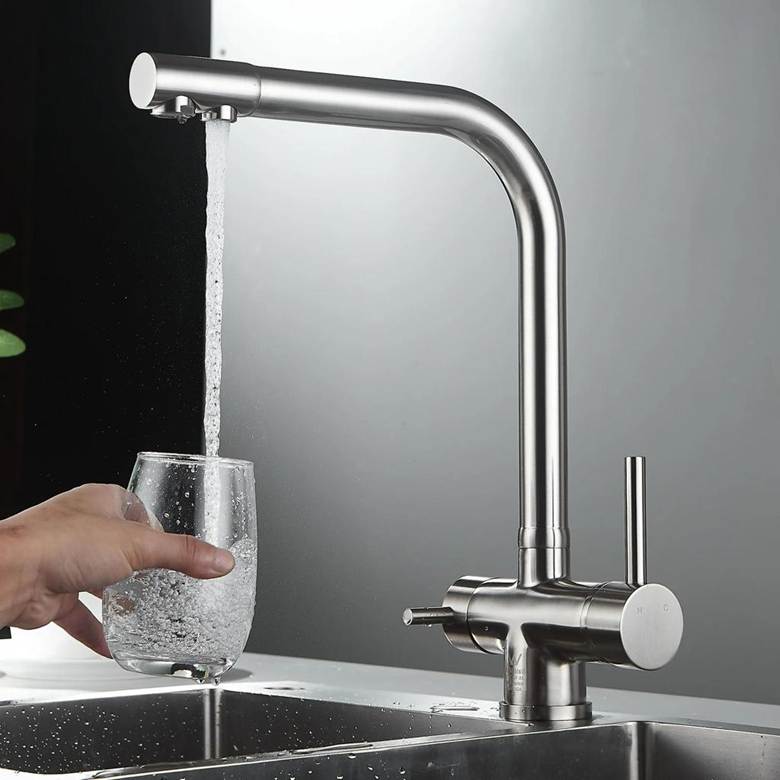
- New taps are easier to use
- Updated sinks are more practical
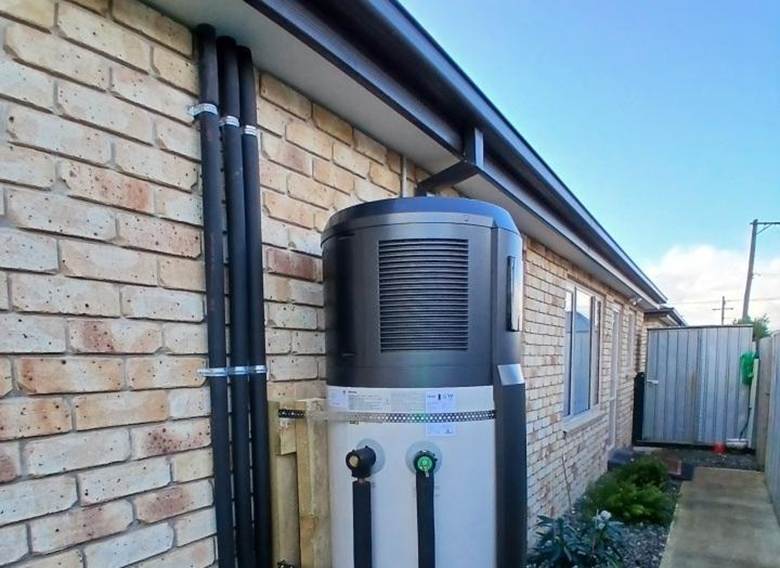
Hot water systems
New systems are more energy efficient and reliable.
Outdoor drainage
Good drainage protects your home from flooding during heavy rain.
Why DIY Plumbing Can Be Risky
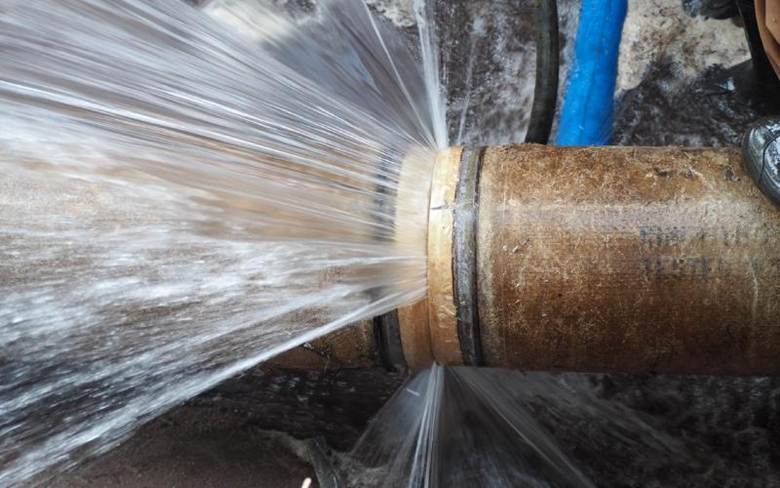
Some small jobs are fine to do yourself. But many plumbing tasks should be left to professionals.
Problems with DIY plumbing:
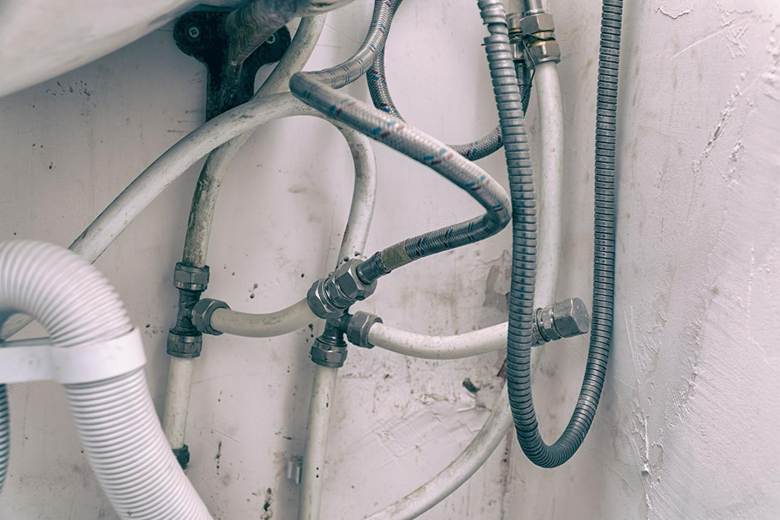
- Incorrect installation
- Hidden leaks
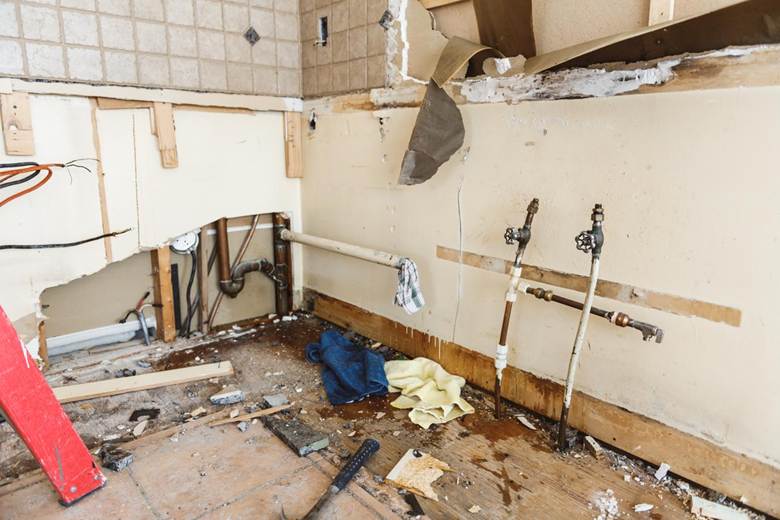
- Damage behind walls
- Legal and compliance issues
In Australia, many plumbing jobs must be done by a licensed plumber.
When to Call a Professional
You should call a plumber if:
- You cannot find the source of a leak
- Drains keep blocking
- Water pressure keeps changing
- Your hot water system is not working
- You are planning renovations
A Simple Maintenance Plan
Here is an easy plan you can follow:
Every month:
- Check under sinks
- Look for leaks
- Test taps and pressure
Every 6–12 months:
- Clean drains
- Inspect outdoor drainage
Every year:
- Service hot water system
- Get a professional inspection
Staying consistent with these checks can prevent most major issues.
Final Thoughts
Plumbing problems can be stressful and expensive. But most of them can be avoided with simple habits and regular checks.
You do not need to be an expert. Just paying attention to small changes in your home can make a big difference.
By maintaining your system and upgrading when needed, you can protect your home, save money, and avoid emergencies.